You have a website. It looks reasonable. You're spending money on Google Ads or posting on LinkedIn. People are landing on it. And yet, no leads. Your enquiry form is quiet, and you can't point to a single piece of business the site has directly generated.
This is one of the most common problems companies bring to me, and in almost every case, the diagnosis is the same. It's not that the website is broken. It's that it was built to look good rather than to perform. These problems are fixable, and more straightforward than most agencies want you to believe.
Here are the seven most common reasons a website fails to generate leads, and what you can do about each one.
1. Your Value Proposition Is Buried
A visitor lands on your homepage. They have approximately three seconds before they make a subconscious decision about whether to stay or leave. In those three seconds, they're asking one question: is this relevant to me?
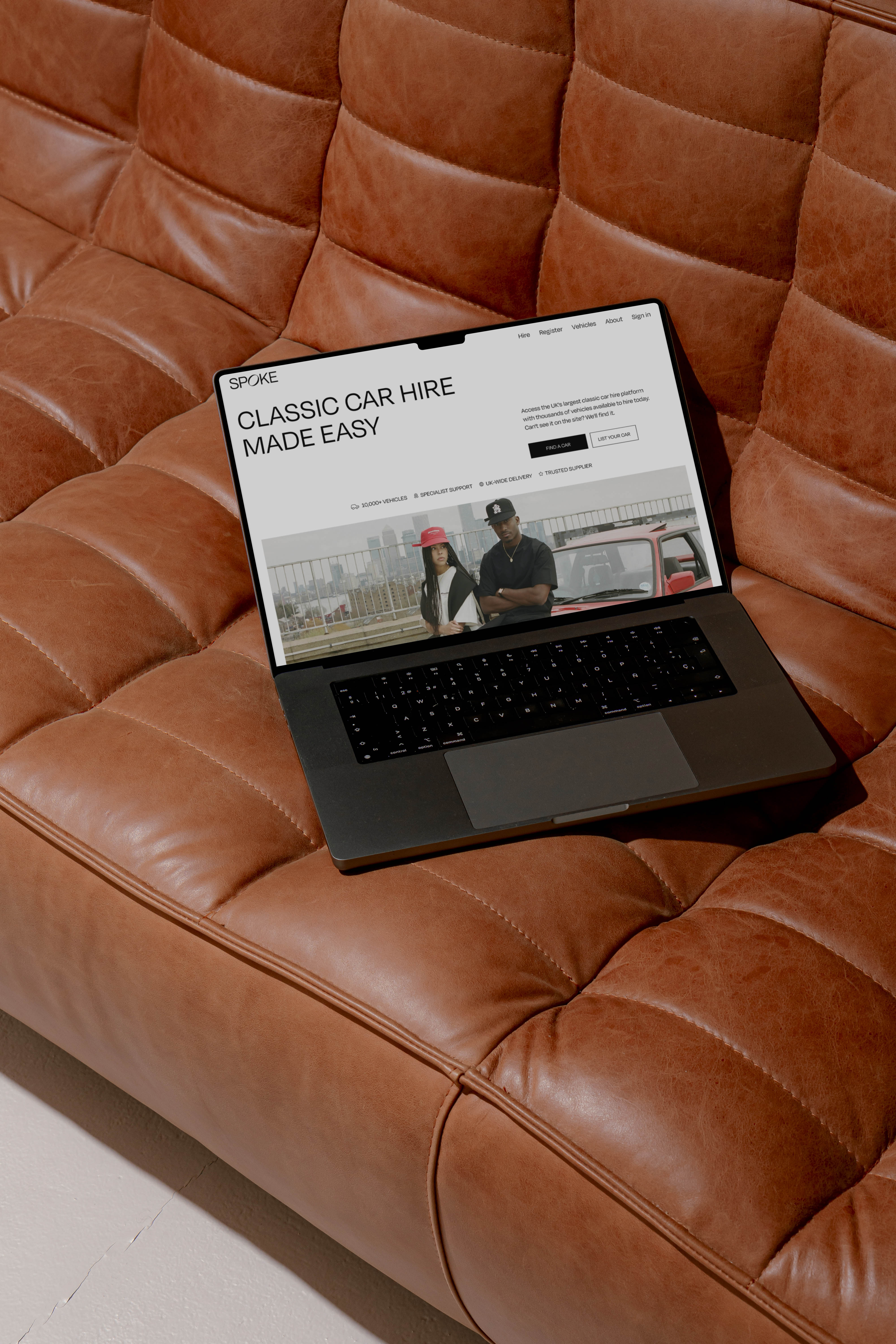
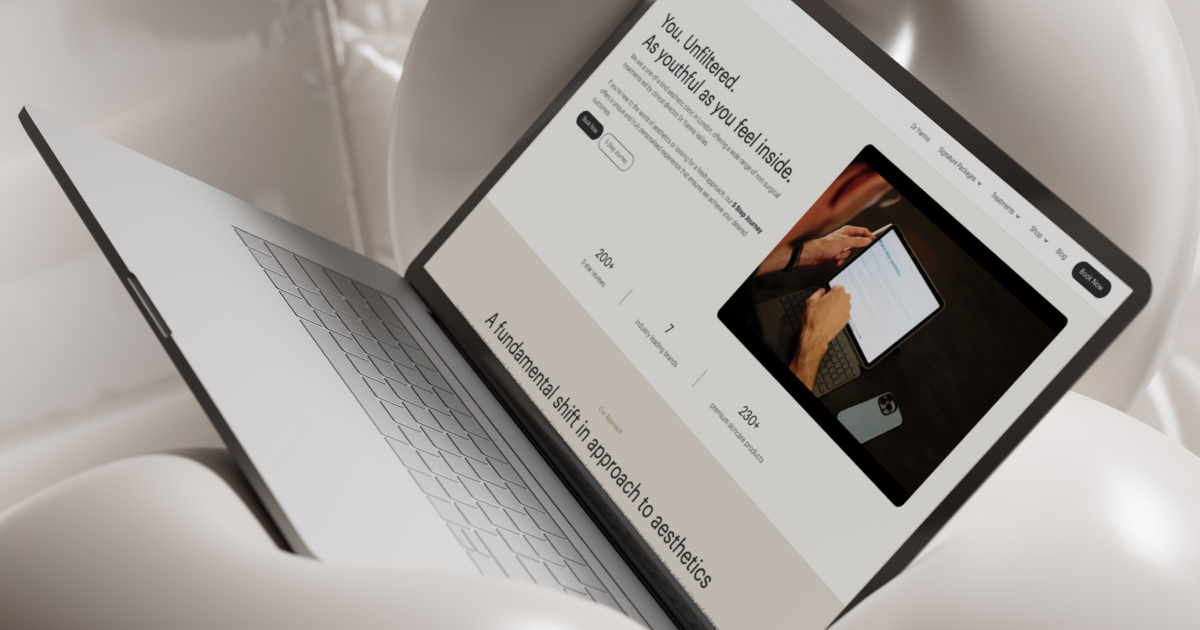
Most business websites answer this question too slowly. The hero section is a beautiful full-screen image with a tagline like 'Excellence. Innovation. Results.' — which says nothing. The actual value proposition — who you help, what you do, and why you're different — is three scrolls down, written in paragraph form.
The fix: your above-the-fold content should answer three questions immediately. What do you do? Who do you do it for? Why should I care? If a first-time visitor can't answer all three within five seconds of landing, you have a conversion problem, not a traffic problem.
Test this now: open your homepage in an incognito browser and time how long it takes to understand exactly what you offer. If it takes more than five seconds, start there.
2. You're Attracting the Wrong Traffic
Sometimes the problem isn't the website — it's the audience. If you're ranking for broad, high-volume keywords that attract people at the wrong stage of the buying journey, you'll get traffic and no leads.
A London accountancy firm ranking for 'what is VAT' will get thousands of visitors a month who are students, employees, and the generally curious. A firm ranking for 'accountant for small business London' will get fewer visitors, but they're close to buying.
High traffic with low conversion is often a targeting problem. Check your Google Analytics acquisition data — look at which pages drive the most form fills or calls, and which drive the most bounces. The pattern will tell you where your traffic quality issues are concentrated.
3. Your CTAs Are Weak or Missing
A Call to Action is the moment you ask a visitor to do something. Most websites either have no clear CTA, or they have one buried in the footer, or they have 'Contact Us' as the only option everywhere.
'Contact Us' is the weakest CTA you can use. It puts all the effort on the visitor. They have to decide to reach out, compose a message, and submit a form — without knowing what happens next, how long a response takes, or whether it's worth their time.
Stronger CTAs remove friction and create clarity. Examples:
- 'Get a free 30-minute consultation' — specific, low commitment, clear value
- 'See how we helped [sector] businesses like yours' — social proof-led
- 'Get a quote in 24 hours' — sets expectation, creates urgency
Every key page on your site should have one primary CTA. Not three. One. Clarity drives action; choice creates paralysis.
4. Your Site Is Too Slow
Page speed is a conversion killer and a ranking factor. Google's own data shows that as page load time goes from one second to five seconds, the probability of a mobile visitor bouncing increases by 90%.
London business websites built on bloated WordPress themes, loaded with tracking scripts, uncompressed images, and six different plugins all phoning home on load — are routinely scoring 40-60 on Google PageSpeed Insights. That's not a small problem. It's a structural one.
Run your site through PageSpeed Insights today. If you're scoring below 80 on mobile, your slow load time is actively costing you leads. The fixes aren't always easy — sometimes they require a rebuild — but they're quantifiable and directly tied to commercial outcome.
5. You Have No Social Proof
A visitor who has never heard of your business is making a trust decision. They're asking: has anyone else trusted this company, and did it work out?
Testimonials, case studies, client logos, awards, and press mentions all answer that question. The businesses that convert best aren't necessarily the best at what they do — they're the best at demonstrating that they're good at what they do.
The most effective social proof is specific. 'Will redesigned our website and our enquiry rate increased by 40% in the first month' is ten times more credible than 'Will did a great job and we'd highly recommend him.' Specificity implies truth. Vagueness implies a favour.
If you don't have strong testimonials, start asking for them now. If you have them, put them on the page where the conversion decision happens — not on a dedicated Testimonials page nobody visits.
6. Your Website Doesn't Address Objections
Every potential client has objections. They might be thinking: is this too expensive for us? Do they understand our industry? What happens if it doesn't work? How long will this take?
Most business websites ignore these objections entirely and hope the visitor will get in touch to ask. Most visitors don't get in touch. They leave.
The solution is to answer the most common objections directly on the page. FAQ sections done well — not generic questions, but the real questions your sales calls surface — pre-qualify leads and reduce the friction between 'interested' and 'enquiry submitted'.
Think about the last three times a prospect asked you a question before signing. If those questions aren't answered on your website, you're making every visitor do the work your site should be doing.
7. There's No Clear User Journey
A website without a clear user journey is like a shop with no signage. People wander, get confused, and leave.
Your website should have a deliberate flow for each type of visitor. A first-time visitor who doesn't know you needs to understand what you do, see evidence that you're credible, and be guided toward a low-commitment next step. A returning visitor who has already researched you needs an easy path to get in touch.
Most business websites treat every page as an island. Navigation is the same on every page. There's no progression, no logic to the journey. The result is visitors who bounce because they don't know what they're supposed to do next.
Map your most important visitor type and build the journey backwards from conversion. What do they need to believe before they'll enquire? What evidence supports that belief? What's the easiest possible action they can take right now? That map is your site architecture.
Where to Start
If you recognise your website in more than two of these points, you have a conversion problem worth solving. The good news is that even partial fixes move the needle — you don't need to rebuild everything to improve results.
Priority order for most London businesses:
- Fix your value proposition — this affects every visitor, immediately
- Add specific, strong CTAs to your key pages
- Put your best testimonial or case study on the homepage
- Run a PageSpeed audit and fix the biggest issues
- Add an FAQ section that answers your real objections
Need a Second Set of Eyes?
I offer website audits for London businesses that want an honest assessment of why their site isn't converting and a clear plan for fixing it. No fluff, no upsell for things you don't need.
I'm Will Harvey, a senior freelance website marketer and Webflow developer based in East London. Explore my web design services if you're interested and see how I can help your business.